
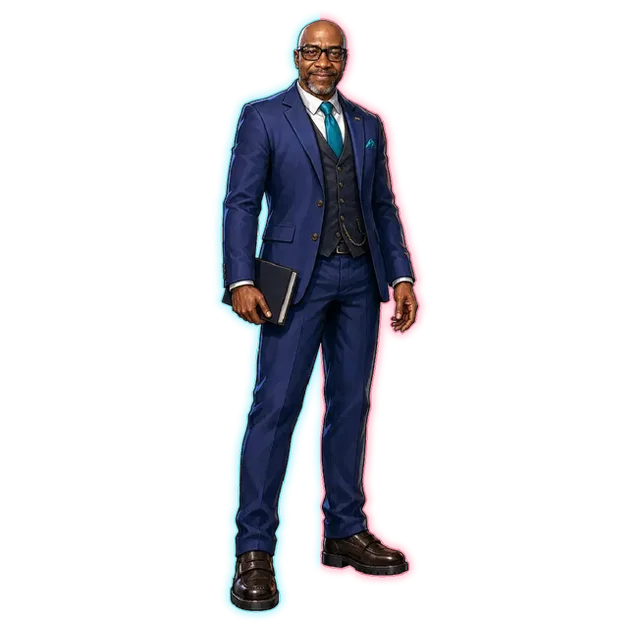
Power Baby Productions presents
I built a Montréal RPG where arguments are battles—and every loop teaches you to see them differently.
Plateau Hearts follows one journey from NDG to Mount Royal across three console generations. The route repeats. The city gains texture. Social conflict becomes readable.
Game direction · systems design · creative technology · music composition · art direction · production and QA
The verified browser demo launches in this tab. The portfolio unloads first, so only one game and one soundtrack can run.
VERIFIED
One address. One game runtime.
Launch the verified build in this tab. The portfolio unloads before the game starts, preventing duplicate renderers and overlapping music.
Music remains user-initiated. Launching the game pauses this page, and the most recently used Plateau Hearts tab owns audio.
One route, three ways of seeing.
Chris walks from NDG to Mount Royal three times. The route never changes; he does.
“Belonging is something people practice together, not a test someone else gets to grade.”
I’m inside a city of people.
Full texture does not erase the grit. The city becomes shared evidence rather than backdrop.
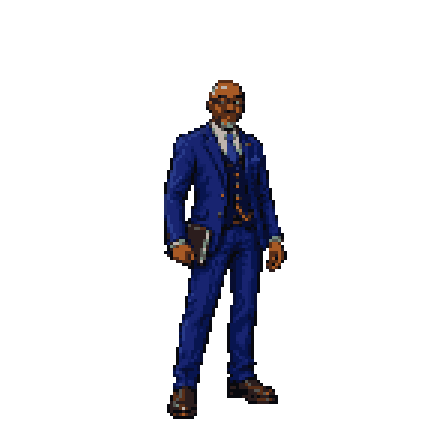

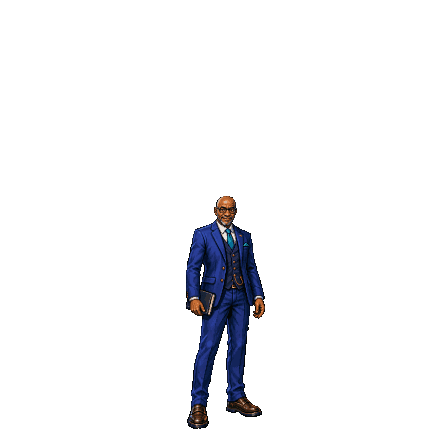
Loops one and two are freshly authored native-grid drawings—not filtered reductions of loop three. Facial anchors, silhouette, clothing cues, and proportions preserve identity.
What if an argument had readable tells, counters, resources, and an escalation phase?
NPC control dramas
They set the tone. You choose how to respond.
Threat → Withdraw → Judgment → Guilt → Threat
Counters × dramas
The real 4×4 effectiveness matrix from the engine.
Social Combat
The system reads in motion.
Chris’s authored performance moves through anticipation, transition, transfer, impact, and settle while the interface preserves both actors.
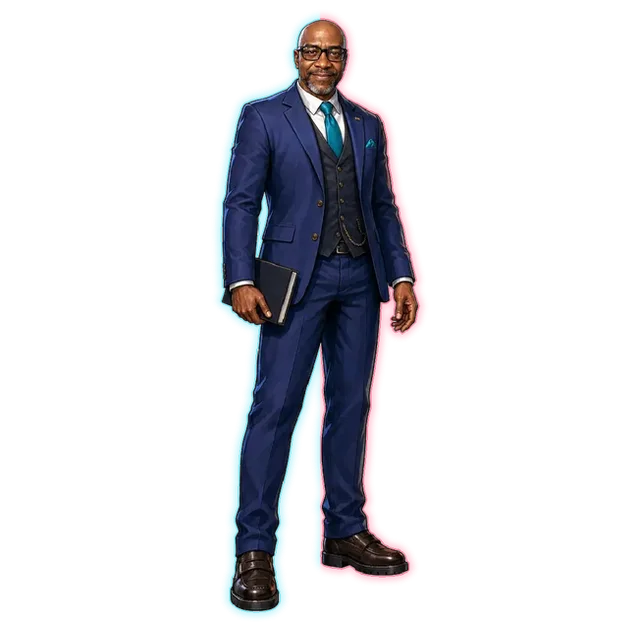
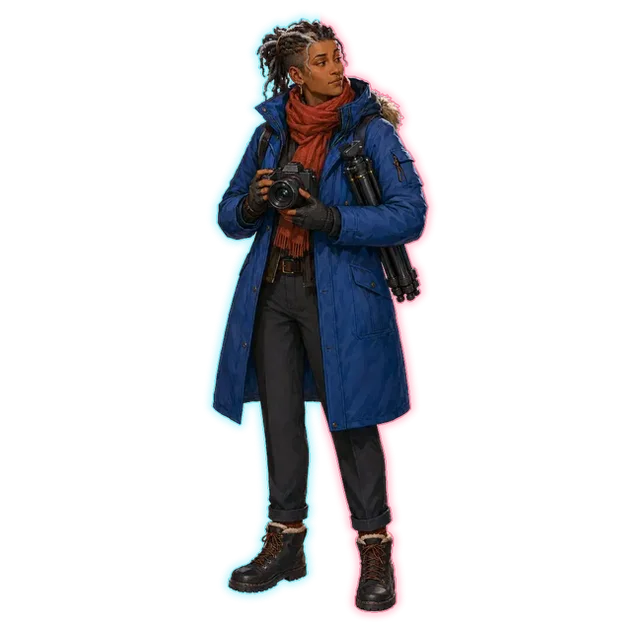
An in-browser sequence assembled from the real Tier-A battle frames. The media pauses when offscreen and becomes step-controlled under reduced motion.
A custom narrative-game architecture built in React, TypeScript, and Vite.
Six families. One world. Loose coupling, strong guarantees, and a release boundary that can tell the truth.
The social-combat simulation.
- engine
- AI
- encounters
- paper phase
- tutorials
- battle UI
01The same people must remain recognisable across three art eras.
Stable asset IDs, identity contracts, and manifest-only resolution.
02Thousands of frames cannot be trusted by filename convention.
A fail-closed canon makes missing art ART_PENDING—never silent fallback.
03Difficulty should reduce cognitive load, not remove story.
Interface tiers change how much the player must hold.
04A Drive-synced build still has to run fast and reliably.
Hash verification, disposable local cache, and deterministic port validation.
05DOM assertions can pass while the screen is visually broken.
Rendered screenshot matrices protect faces, controls, and painted regions.
const art = canon.assets.find(asset => asset.assetId === requestedId)
if (!art || !art.runtimeUse) return 'ART_PENDING'The art evolves. The person does not disappear.
One recognisable identity, freshly authored at three native fidelities. The actor must win the frame.
“The actor must win the frame. No interface element may cover a face.”
Hard clusters, tight palettes, composite drift, and native-grid silhouette.
Richer ramps, expressive shading, sharper RGB, and more visible contradiction.
Winter light, contact shadow, halation, and edge-weighted chromatic aberration.
Quality becomes canon through a chain of evidence.
- 01Tier B candidate
- 02Provenance review
- 03Tier A approval
- 04Runtime derivative
- 05Manifest binding
- 06QA gate
I composed the soundtrack for a console that never existed—then built the game it belonged to.
Three loop mixes. The web preview offers 15 revised first-loop tracks and one third-loop cue; the remaining mixes await web delivery.
A track belongs to a moment so recognition can carry story.
The same route becomes wider as Chris learns to locate himself inside it.
Masters normalize to the quietest track at −19.44 LUFS; no cue is inflated.
Silence is a compositional decision, not a missing asset.
View the full 15-track · 46:06 album list
- 01Plateau Hearts Theme
- 02Into the Distance
- 03Before the First Loop
- 04Walking the Borough
- 05Shadows in the Mist
- 06Eureka
- 07Scattered Petals
- 08Objection Overture
- 09Cross Examination
- 10Truth Uncoils
- 11Hero’s Theme
- 12Hearts Aligned
- 13Scattered Hearts
- 14Promise
- 15Serpent’s Lullaby
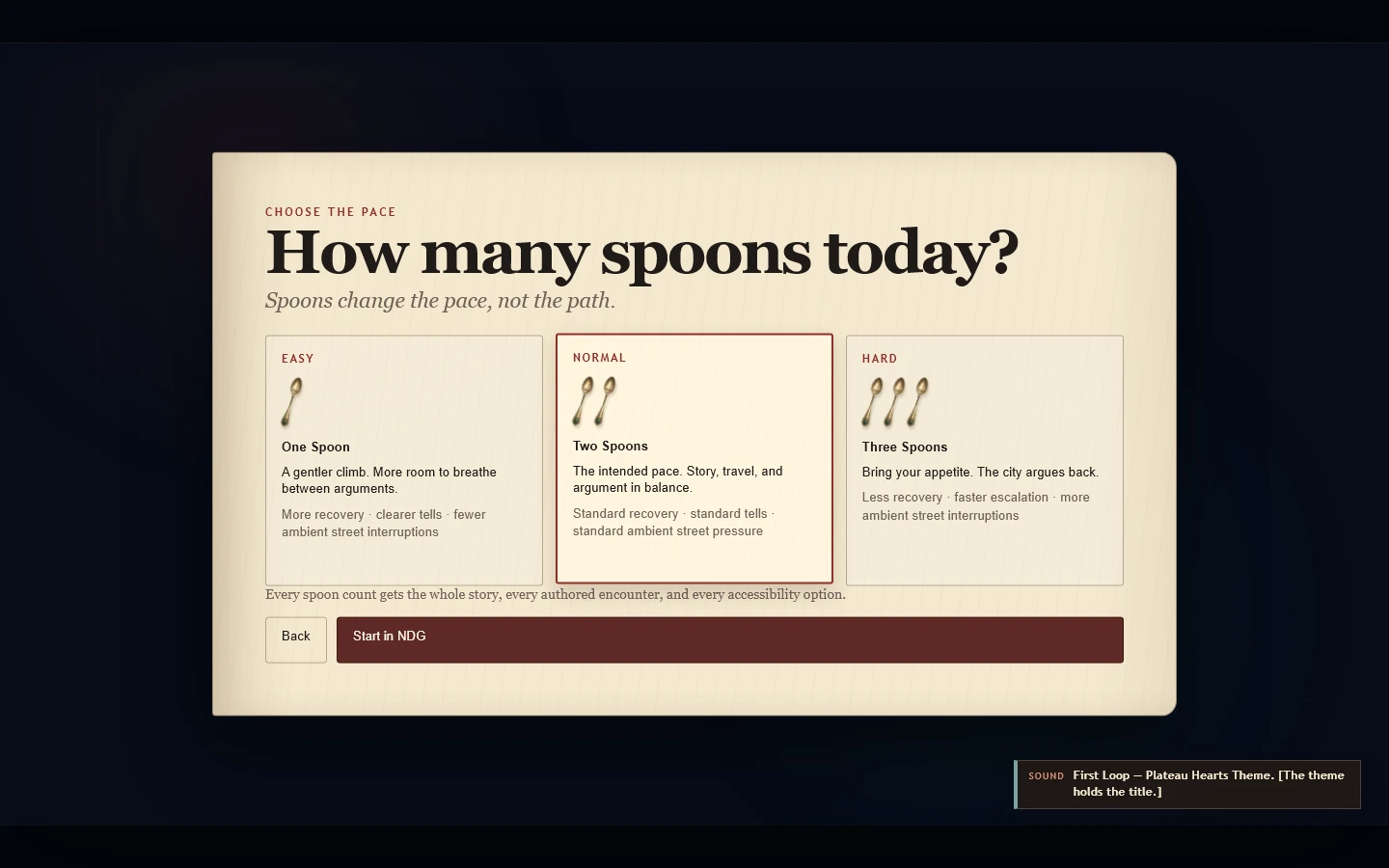
Difficulty changes how much the player must hold—not how much story they deserve.
Every spoon tier receives the complete authored story. Capacity changes pressure and surface area, never belonging.

One Spoon — Story
The system reads the room for you. Space alone can complete the authored story.
- Strongest counter selected automatically
- Minimal interface density
- Every encounter and every story beat
Creative ambition only survives when the pipeline can tell the truth.
Every contribution enters a governed system: stable IDs, canonical sources, review tiers, locks, handoffs, tests, rendered QA, and hash-verified releases.
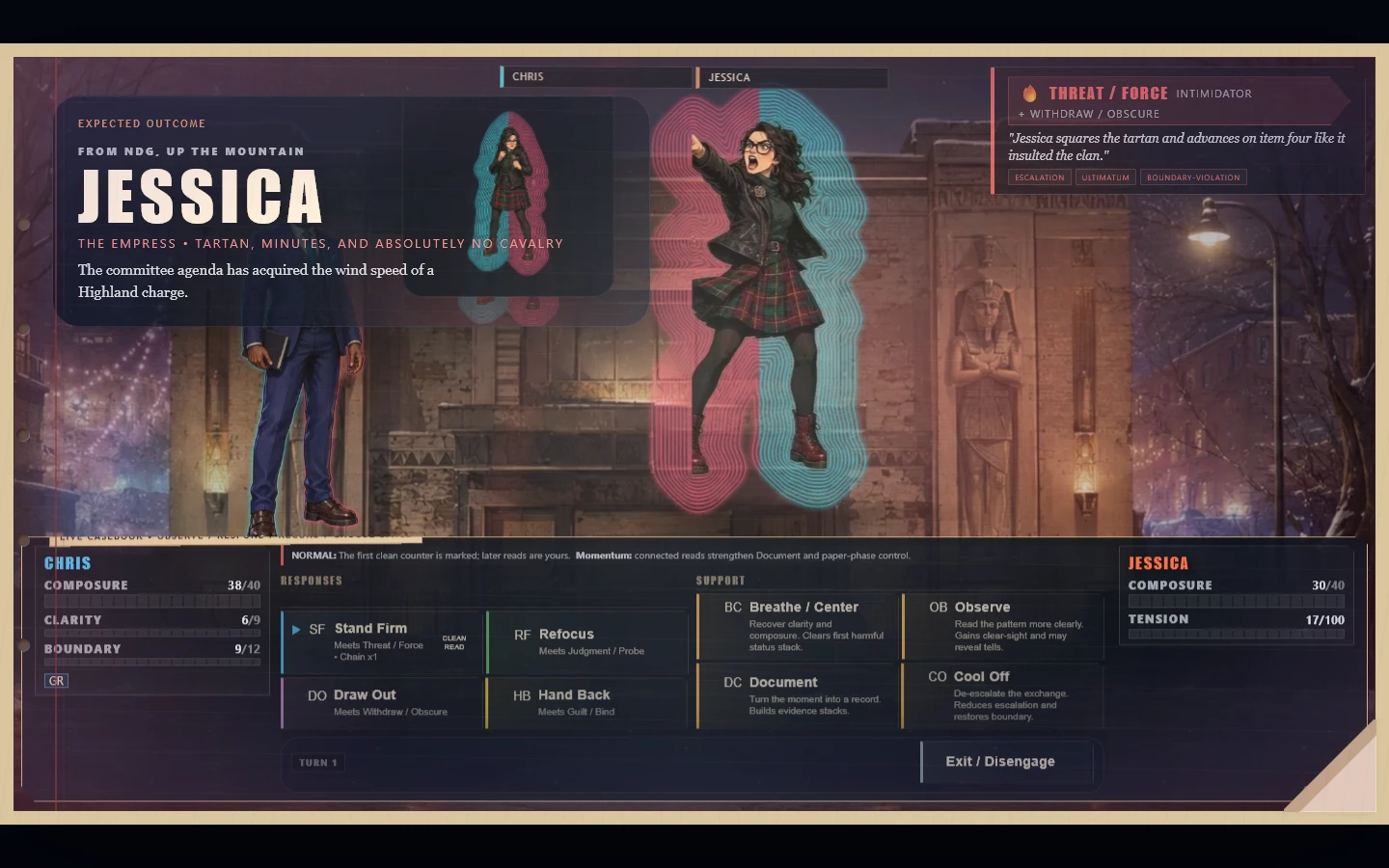
Narrative information occupied the sacred stage.
A protected 16:9 stage and banded interface keep faces visible.
Created by Chris Hicks with AI-assisted tools. This is my creative vision, built with AI-assisted tools.
Created by Chris Hicks
My creative vision, built with AI-assisted tools.
The three-ascent journey, authored scenes, and recurring echoes.
Readable tells, counter logic, resources, escalation, and the Paper Phase.
Capacity-aware interface tiers with the complete story intact.
React architecture, data models, asset resolution, and release boundaries.
The score, sequencing, sound identity, and fictional console.
One identity across three native art fidelities.
Prompts, review tiers, stable IDs, manifests, and integration.
Automated gates, rendered QA, evidence, and accountable handoffs.
Chris Hicks
I’m a Montréal-based creative technologist, game designer, composer, and technical educator.
I build systems that make complex ideas understandable, playable, and emotionally legible. Plateau Hearts brings those disciplines together: performance, argument, interface design, music, software, and Montréal itself.
Chris HICKS